
Request a quote
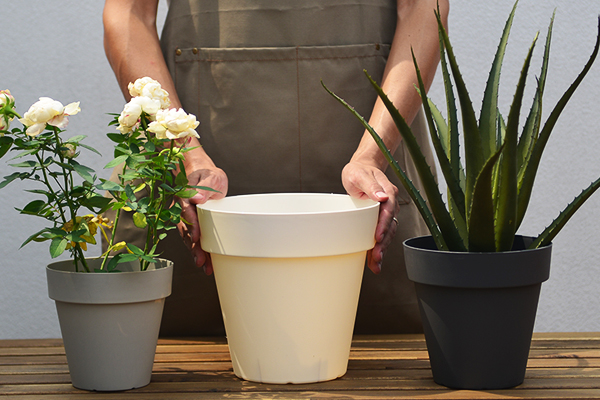
Choosing the right planter is a crucial decision that affects not only the aesthetics of your space but, more importantly, the health and growth of your plants. Plastic planters have surged in popularity for their durability, versatility, and affordability. But with so many options available, how do you make the right choice?
This comprehensive guide will walk you through the key factors to consider when selecting a plastic planter, ensuring your green friends thrive in their new home.
Before we dive into the "how," let's quickly address the "why." Modern plastic planters are a far cry from the flimsy pots of the past. Today, they offer:
Getting the size right is non-negotiable.
Diameter & Depth: A good rule of thumb is to choose a planter that is 1-2 inches (2.5-5 cm) larger in diameter than the plant's current root ball. This gives roots room to grow without being drowned in excess soil, which can stay too wet. Depth is critical for root development—deep-rooted plants need tall pots.
Drainage Holes: This is the most important feature. Without proper drainage, water pools at the bottom, leading to root rot—a primary killer of container plants. Always ensure your plastic planter has adequate drainage holes. If you find a decorative pot without holes, use it as a cachepot (an outer decorative sleeve) by placing a basic plastic nursery pot with holes inside it.
The type of plastic determines longevity, safety, and appearance.
Look for UV-Resistant (UV-Stabilized) Plastic: If your planter will be outdoors, UV resistance is essential. It prevents the plastic from becoming brittle and fading in the sun, ensuring your planter lasts for years, not just one season.
Consider Recycled Materials: Many high-quality planters, like our Ecol.ite series, are made from durable recycled plastics. This is an excellent eco-friendly choice without compromising strength.
Thickness & Rigidity: Gently squeeze the planter. Flimsy, thin plastic will warp, crack, and degrade quickly. A high-quality planter will feel sturdy and rigid, providing stability for your plant.
Shape: Consider your plant's growth habit. A wide, shallow bowl is perfect for succulents and cacti. A tall, cylindrical pot suits trailing plants or small trees. For most houseplants, a standard pot shape works well.
Color: Lighter colors reflect heat, keeping roots cooler in sunny spots. Dark colors absorb heat, which can be beneficial in cooler climates but risky in hot ones. Also, consider how the color complements your plant's foliage and your home decor.
Weight & Portability: One of plastic's biggest advantages is its light weight. If you need to move plants seasonally or for cleaning, this is a major benefit. Some planters come with built-in saucers or have a "self-watering" reservoir system, adding great functionality.
Outdoor Planters: Must be weatherproof, UV-resistant, and frost-proof if you live in a cold climate. They should withstand rain, sun, and temperature swings. Look for planters specifically labeled for outdoor use.
Indoor Planters: Focus is more on aesthetics and size proportion for your interior space. Ensure they have a matching saucer to protect your floors and furniture from water damage.
Self-Watering Systems: These planters have a built-in water reservoir at the bottom, allowing the plant to draw up moisture as needed through a wicking system. They are fantastic for busy people or for moisture-loving plants, preventing both over and under-watering.
Stackable & Nestable Designs: For commercial landscapers, nurseries, or anyone with storage constraints, planters that stack when empty save tremendous space.
Textured Finishes: Advanced manufacturing allows plastic to mimic materials like weathered stone, textured concrete, or smooth ceramic, offering high-end looks with plastic's practical benefits.
"Upsizing" Too Much: Planting a small plant in a huge pot leads to waterlogged soil and root rot. Repot in gradual increments.
Ignoring Drainage: Never, ever skip the drainage holes. Your plant will thank you.
Choosing Style Over Substance: A beautiful but poorly made planter will crack and fade, costing you more in the long run.
Forgetting the Weight of Soil: When wet, soil is heavy. Ensure your planter is sturdy enough, especially for large floor pots.
✅ Does it have drainage holes? (Essential!)
✅ Is it the right size for my plant's current root ball?
✅ If for outdoors, is it UV-resistant and weatherproof?
✅ Does the material feel thick and sturdy, not flimsy?
✅ Does the style and color fit my plant and space?
✅ Is it easy to move if needed?
Choosing the right plastic planter is an investment in the beauty and health of your plants. By prioritizing material quality, proper size, and essential drainage, you can create a thriving container garden that lasts for seasons to come.
Looking for commercial-grade, durable plastic planters for your project? Explore our collections designed with both aesthetics and plant health in mind. [Browse our catalog] to find the perfect fit for any application, from hotel lobbies to private balconies.
Happy Planting!